
House of Bid
How to know what antique furniture is worth
Antique furniture value comes from age, maker or label, wood and construction quality, how original the piece is, and whether the market currently wants that style. A beautiful 200-year-old piece in a style collectors have moved away from can be worth less than a well-made recent piece in demand. Sentimental value and market value are different numbers.
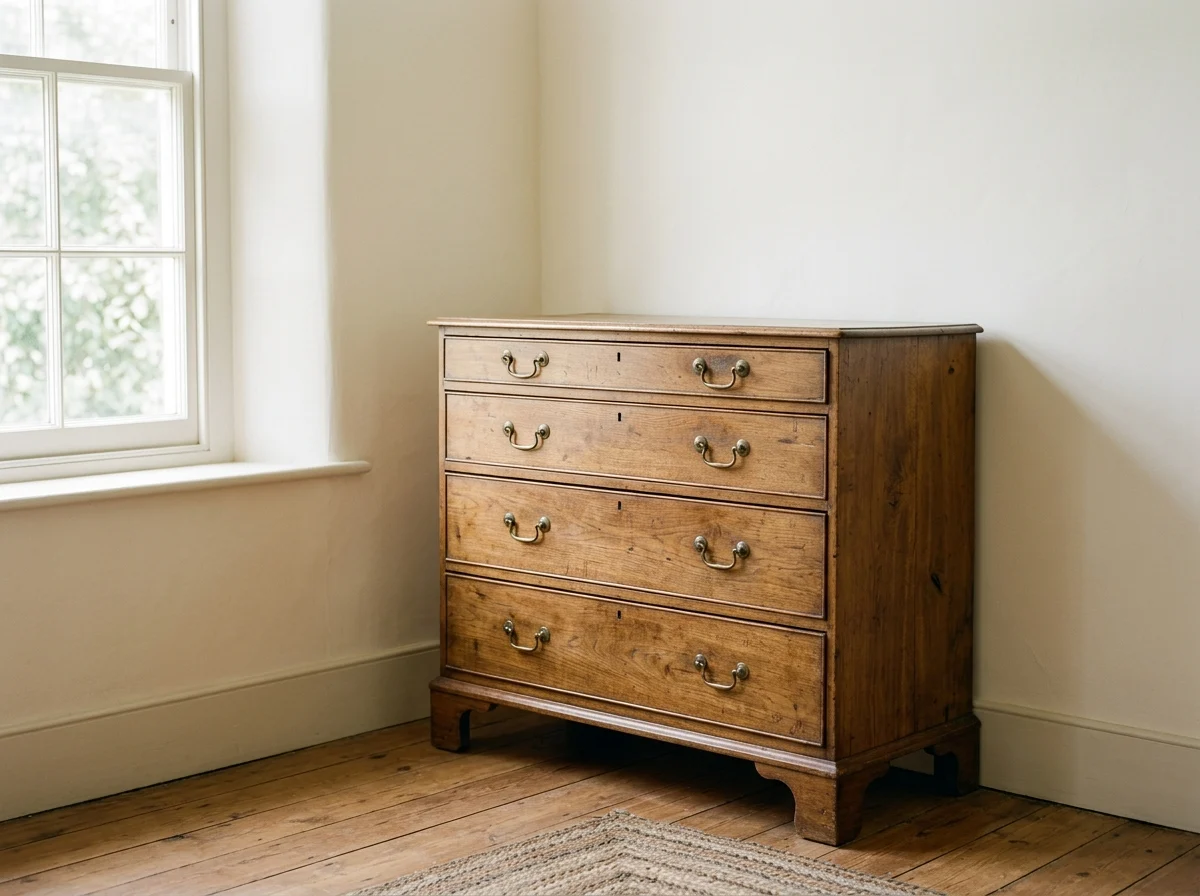
Age is a starting point, not an answer
Old doesn't automatically mean valuable. Furniture styles go in and out of favor with buyers the same way anything else does — heavy, dark Victorian pieces that were common decades ago often sell for less today than lighter mid-century pieces made much more recently. Before assuming a piece is worth something because it's 'an antique,' ask what era and style it actually is, and whether that specific look is something buyers are currently seeking out.
Maker's labels and construction records
A label, stamp, or paper tag from a known maker or workshop can meaningfully change a piece's value, because it ties the object to a documented history buyers can research. Check drawer bottoms, the underside of tabletops, and the backs of case pieces for stamps, stencils, or paper labels — they're often hidden from normal view on purpose. No label doesn't mean no value, but a verified maker gives a buyer more confidence and often a stronger price.
Wood, originality, and refinishing
Solid hardwoods and quality veneer work generally hold value better than pieces built from cheaper wood or particleboard. Originality matters too: a piece with its original finish, hardware, and unaltered structure is usually worth more than one that's been heavily refinished, repainted, or had parts replaced. Refinishing isn't always a dealbreaker — it depends on how it was done and how rare the piece is — but it's a question worth asking before you assume 'restored' means 'improved.'
Market demand vs. sentimental value
The piece that matters most to your family isn't necessarily the piece buyers want most, and that gap is normal. A grandmother's writing desk can carry enormous personal weight and modest market value at the same time. If you need a number for insurance, taxes, or a formal estate division, a certified appraiser can provide a written valuation — for everyday decisions, understanding the factors above is usually enough to make an informed call.
Questions
Does refinishing hurt an antique's value?
- Often, yes, especially for high-end pieces where original finish and hardware are part of what collectors pay for. But a rough refinish job on a mid-range piece may matter less than the wood, construction, and maker underneath it.
What if I can't find a maker's mark?
- Plenty of good furniture was never labeled. Look at construction quality, wood, and joinery instead — those tell you a lot even without a name attached.
Is 'old' the same as 'valuable'?
- No. Age is one factor among several, and it's often the least reliable one on its own. Maker, condition, originality, and current buyer demand usually matter more than the year a piece was made.